Manual Software Testing
We provide manual software testing services focused on real user behavior.
By testing software the way end users interact with it, we help identify functional issues, usability gaps, and inconsistencies that automated tests often miss.
Our work is grounded in requirements analysis, structured test execution, and clear documentation — ensuring reliable feedback throughout the development lifecycle.
Software testing is a core activity of App&Tech Consulting, developed through long-term collaboration with partner clients.
What we do
We support software teams by validating that applications work as intended — not only technically, but from the user’s perspective.
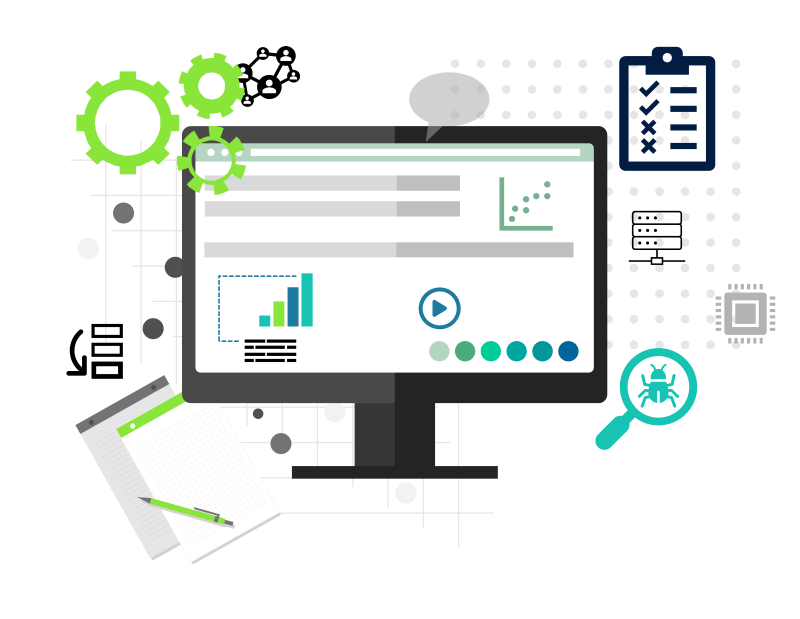
Our work typically includes:
- Reviewing and understanding product requirements
- Executing structured manual test cases
- Identifying, reproducing, and reporting defects
- Documenting test steps and test results
- Supporting teams with clear, actionable feedback
Manual Software Testing
Manual testing focused on how real users interact with the product.
We validate functionality, usability, and overall behavior by executing test cases and exploratory scenarios without relying on automated scripts.
Product Evaluation
Structured evaluation of software products against defined requirements.
This includes functional behavior, reliability, documentation consistency, and suitability for the intended use.
Test Documentation
Clear and structured documentation of testing activities, including test plans, test cases, execution reports, and bug summaries — supporting transparency, traceability, and long-term product quality.
Testing Support
Support for organized testing processes where testing activities are planned, tracked, and reported in alignment with project goals and timelines.
Types of testing we perform
We support software teams by validating that applications work as intended — not only technically, but from the user’s perspective.
Functional Testing
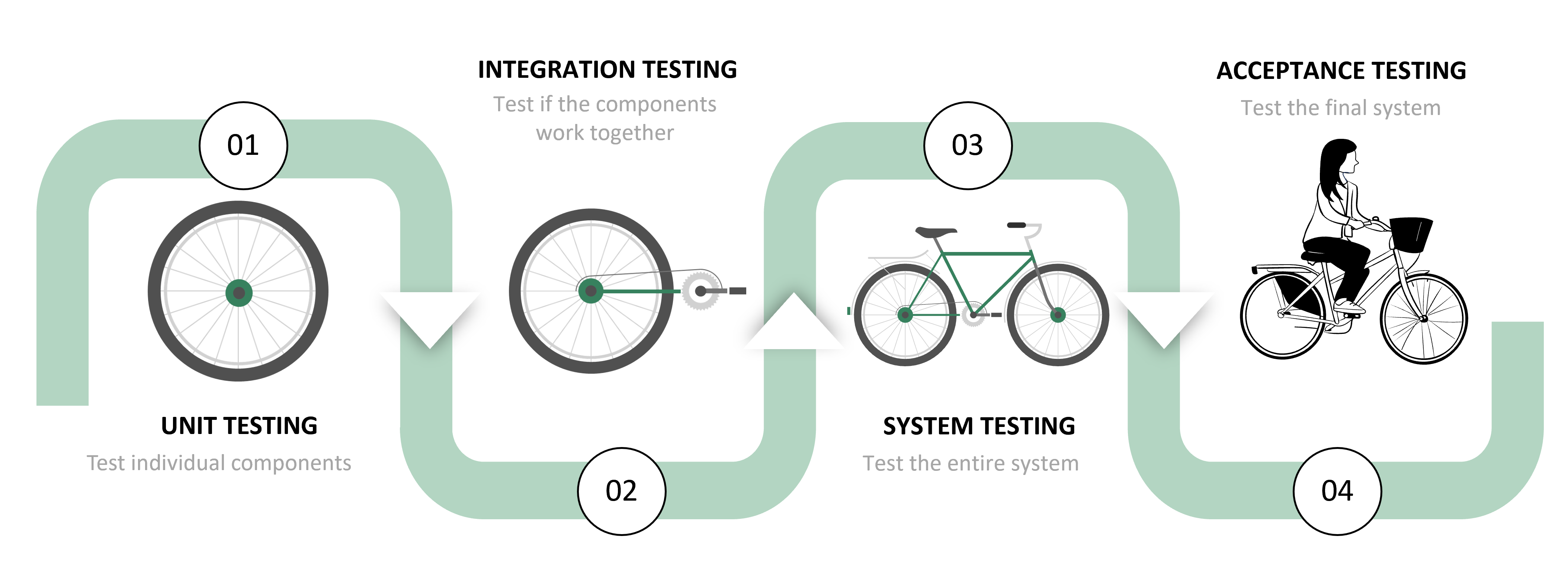
Verifies that application features work according to defined requirements.
Regression Testing
Ensures that new changes do not break existing functionality.
System Testing
Validates the behavior of the complete integrated system.
Acceptance Testing
Confirms the software is ready for use from the user’s perspective.
Usability Testing
Evaluates ease of use, clarity, and overall user experience.
Exploratory Testing
Tester-driven testing focused on discovering unexpected issues.
Smoke Testing
Provides a quick verification that core functionality works after a build.
Sanity Testing
Focuses on verifying specific functionality after minor changes.
Integration Testing
Checks that different components work together correctly.
UI Testing
Ensures interface elements display and behave as intended.
Testing types are selected based on project needs and development stage.
Work Process
Our testing process typically involves several key steps, which can be summarized as follows:
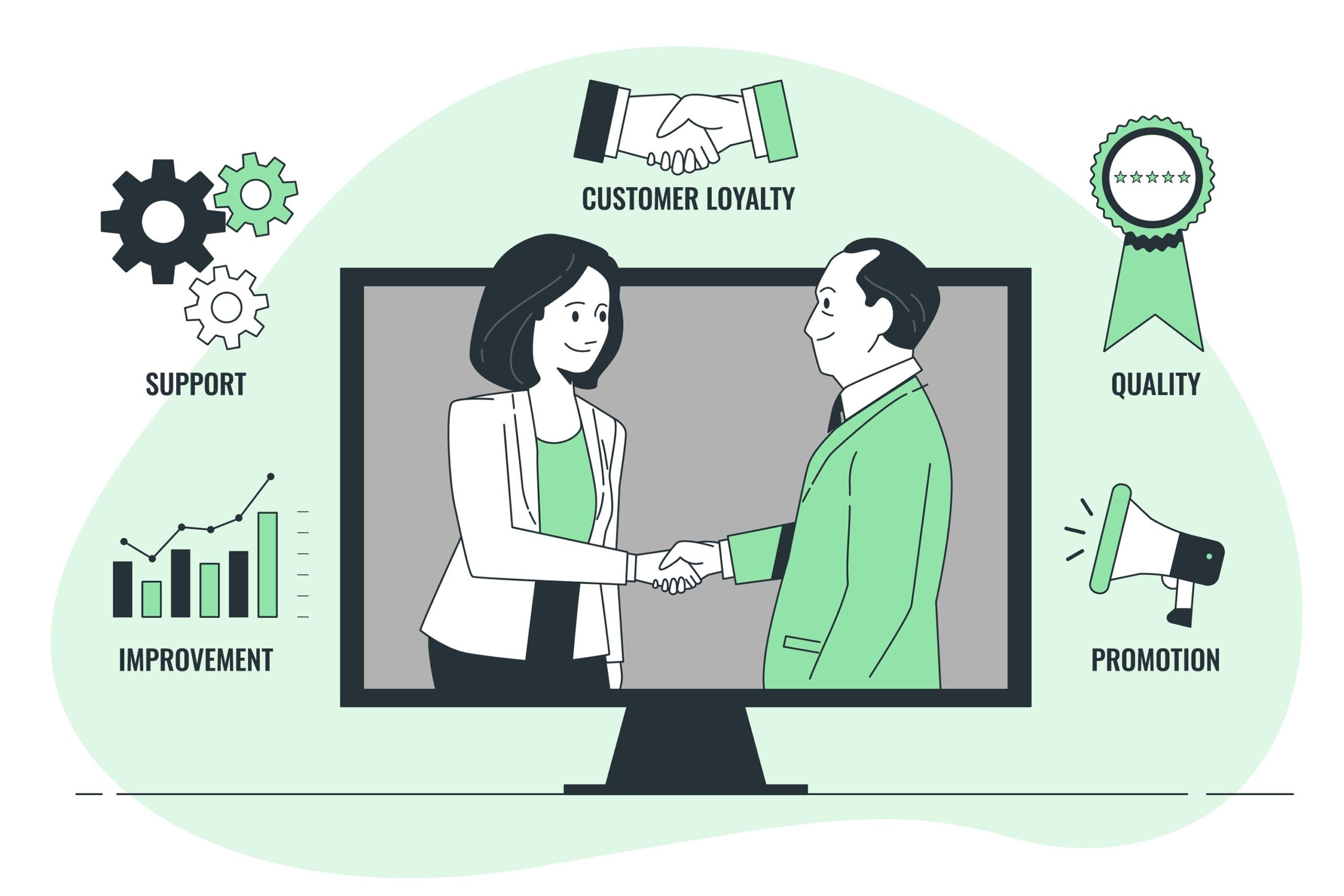
Image attribution
Image by storyset on Freepik
Understanding Requirements
We review project requirements and specifications to understand expected behavior and testing scope.
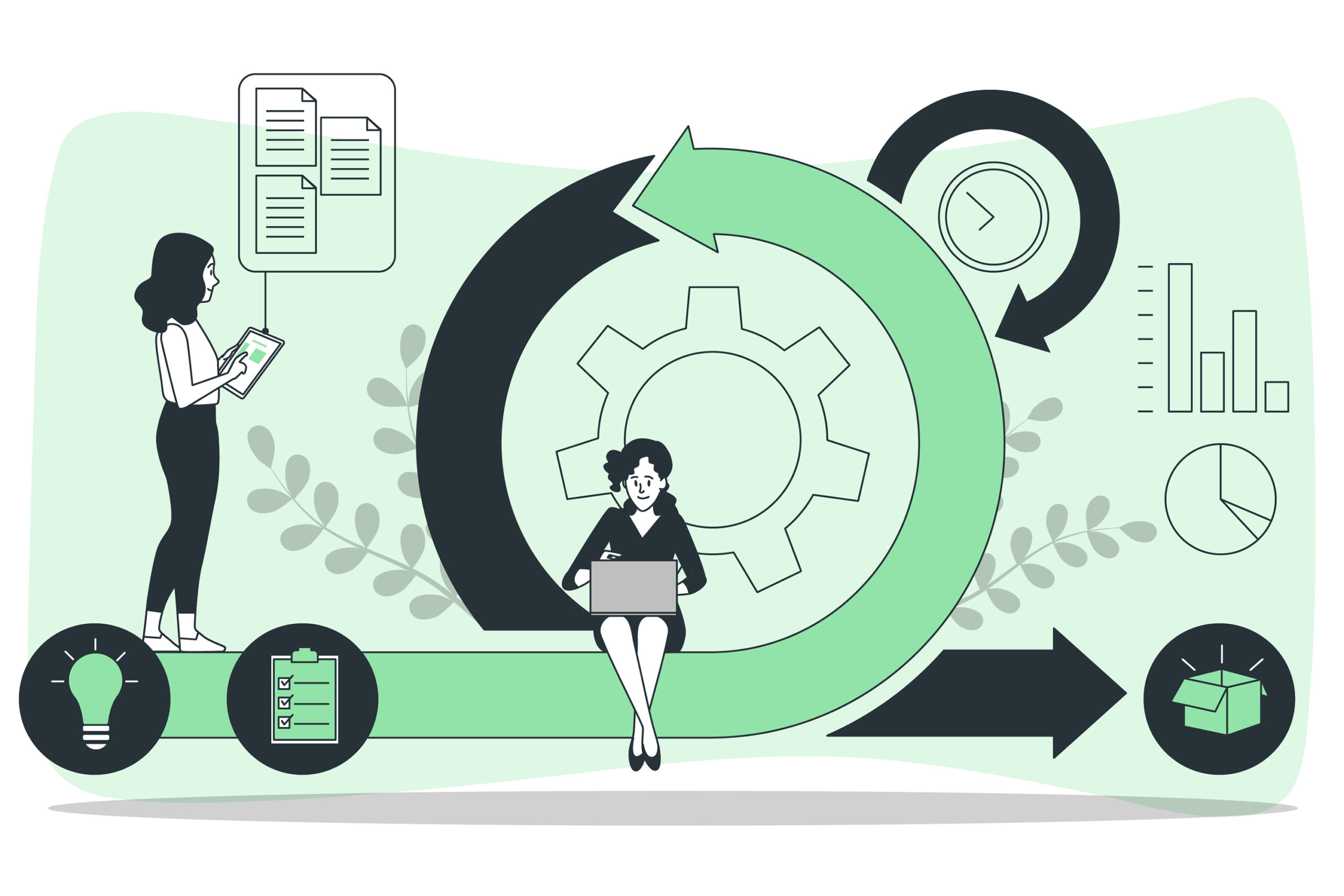
Image attribution
Image by storyset on Freepik
Test Planning and Case Design
Test scenarios and test cases are created based on requirements, workflows, and user interactions.
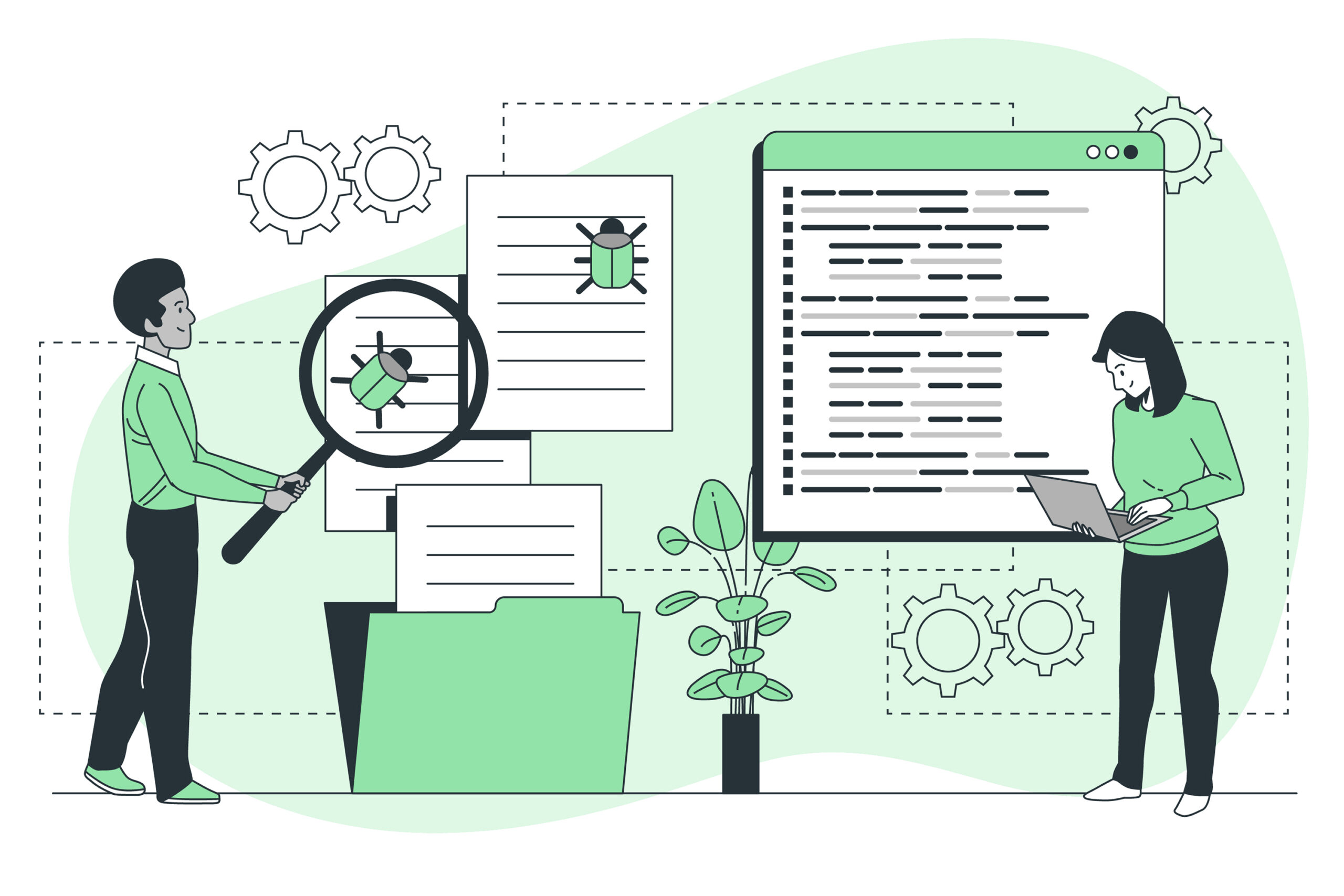
Image attribution
Image by storyset on Freepik
Test Execution and Reporting
Test cases are executed, defects are documented with clear reproduction steps, and findings are reported in a structured and transparent way. Final reports summarize testing activities and provide actionable insights for further development.
Looking for reliable manual testing support?
Feel free to get in touch to discuss your project.